


Introduction
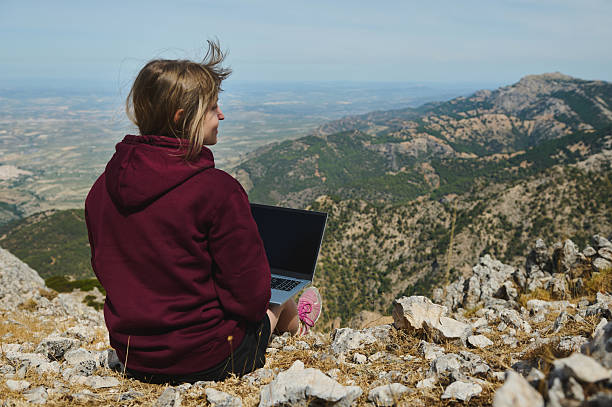
Working on a beach is now a reality for many people. Remote workers and digital nomads go on a tour all over the world with only a laptop. It is like coming out of the cocoon to express complete freedom of movement across countries. However, there is one thing that trails you wherever you go. That thing is taxes. Tax laws are very antiquated and are not in line with the new mode of working.
The majority of the laws are designed to suit individuals that remain at the same place throughout the year. Things become awkward very quickly when you move about. You may believe that you are not supposed to pay money as you are only visiting. Nonetheless, most governments perceive things in different ways. Otherwise, you might pay twice or not only substantial fines. This guide is going to make you know how to remain safe and legal during your roaming.
Learning Tax Residency Regulations
Where you live on the side of the law then is the first big question. Most nations have a rule, known as the 183 day rule. They can refer to you as a resident even after spending over half a year there. This implies that they seek to tax your international income. Yet there are other places that are governed according to your attachments to the land. They may visit your house location or family residence. Your home country may still reclaim you even though you move every month. This is referred to as the center of vital interests. You need to follow your days in each country closely. You may end up with a surprise bill when at the end of the year you fail to keep track.
The Risk of Double Taxation
Dual payment of tax is one of the greatest fears among the remote workers. This occurs when two nations entitle themselves to your cash. The homeland will tax you on the basis of you being a citizen. Meanwhile, the nation in which you are sitting may charge you due to your employment in that country. This can very easily consume your hard earned pay. In order to prevent this, tax treaties have been signed by numerous countries. They are preferential agreements among nations to ensure that one does not pay twice.
You can receive a credit in one nation which covers the taxes that you paid in the other country. Deals are however not the same in all places. You need to confirm whether or not you have an agreement with your host country back home. In the absence of these treaties, your nomadic life will be quite expensive. It is one of the most important things to consider before you make a reservation for a long stay.
- See the list of treaties on tax on your government web site.
- Retain all of your receipts on the tax that you pay abroad.
Digital Nomad Visas and Tax Perks
Most nations are currently interested in luring remote employees to increase their local stores. They have developed special so-called Digital Nomad Visas to facilitate staying. These are some of the visas that are associated with enormous tax benefits. As an illustration, a nation may allow you to spend one year in the country without having to pay the local income tax. This is a mega victory for nomads who desire to spend some time in the same place. Nevertheless, you should check the fine print of each and every visa. Others have a requirement that you make a particular amount of money on a monthly basis. People may still request you to contribute towards their social systems. These visas are an excellent means of being on the right side of the law and keeping off the tourist trap.
Monitoring Your Physical Location
This requires you to be an expert in record keeping to be safe. You must know right where you were doing each and every day of the year. This will cover travel days and layovers. A large number of nomads can follow their movements with the help of apps or plain papers. Such information is the most effective evidence to use when a tax office raises an enquiry. They may request plane tickets, hotel bills, or bank statements. Unless you can demonstrate where you were they may assume the worst.
Maintaining such records only requires a few minutes an hour but will save hours of worry in the future. It also assists you to know when you are approaching that 183 days mark. The secret behind a long life as a remote worker is to be organized. It makes a frightening activity a routine. You are also required to record which currency you were paid in which exchange rates were at that time.
- Track your positions with a GPS tracking application.
- Store all boarding passes in a digital version in the same folder.

The Role of Your Employer
When you are employed by a company, traveling also impacts the company. Your boss could be violating the local laws when you work in a foreign country. They may be informed that they are staying permanently in that place. This may increase massive tax bills to the company. The policies regarding the location of remote employees are stringent in many companies. You have to be frank before your boss regarding your plans. You may lose your job in case you act in a covert manner. Other companies rely on Employer of Record services to recruit employees in the foreign countries. This makes all this legal to you and the firm.
Conclusion
The major problem facing all digital nomads is navigation of global tax laws. It takes a lot of research and extremely thorough planning. The concept of remote work is yet to gain traction in the world. Then it is your shoulders that have to keep you legal. You can be safe by knowing residency, preventing the taxation of the same amount twice and having excellent records. Work to your benefit with the tools at your disposal, such as nomad visas and tax treaties. Keep in touch with your boss at all times and be in control of your local work. Although it may sound like hard work, it is compensated by a free life. You get to view the world according to your terms. Tax myths, don’t spoil your trip with bad advice. Get your tax plan underway so you may travel tomorrow with a light heart.