
Introduction
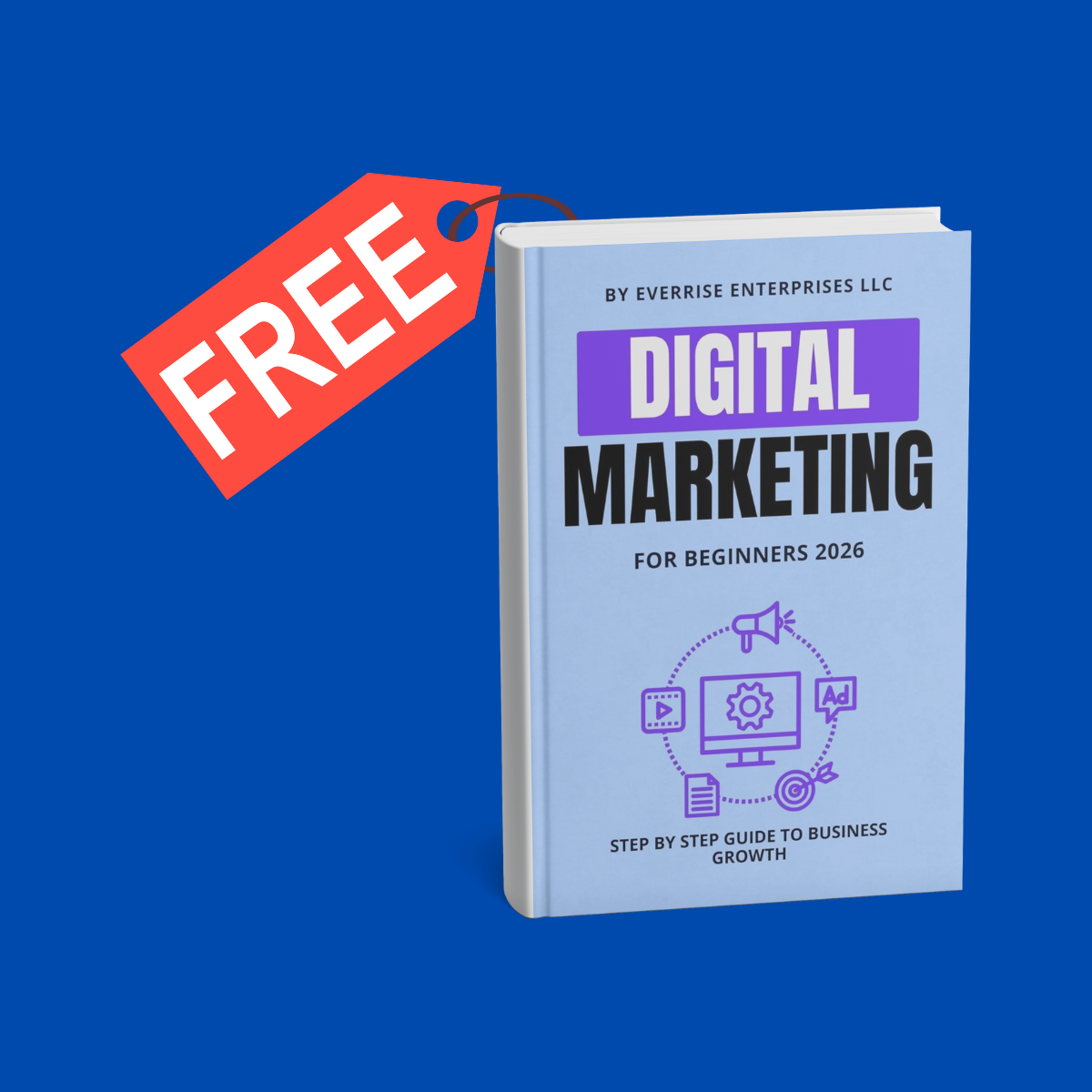
The initial sales promotion weapon of any book is its book cover. Readers get the cover before reading the title or description. This is where all things are determined. When the cover appears feeble, the reader passes by. If it looks strong, they click. At this point, many writers are driven out of business. This is the case with non designers.Cover design is believed to require art skills among many. This belief stops progress. The fact is that book covers are governed by some rules. These guidelines revolve around clarity, genre fit and trust.
In 2026, readers scroll fast. They judge books in seconds. A cover should communicate the appropriate message immediately.Cover images are displayed on online shops on a small scale. This further makes design more crucial. Text must stay clear. Colors must stand out. Images must feel right. A confusing cover fails fast. A clean cover wins attention.The non designers are at an advantage today. Many simple tools now exist. Stress is minimized by templates and guides.
The Book Covers Matter So Much
Book covers act like ads. They sell the idea of the book. They inform the readers on what to anticipate. The cover reveals genre, mood and value. Readers walk away in the event of these failures.Coverages of small online stores. This makes design harder. Text must stay clear. Images must stay sharp. Colors must pop. A busy cover fails fast. The easiest covers get more clicks.Covers also build trust. A clean cover feels pro. A poor cover feels risky. Readers avoid risk. Books (even low cost books) require good covers. Price does not fix bad design. With a good cover, rank and sales are enhanced. It also helps ads work better. Covers are more important to many authors than they believe.v
Knowing Genre and Reader Taste
Every genre has visual rules. Readers expect these rules. Breaking them hurts sales. Learning genre style is key.
- Study top books in your niche
- Record colors, fonts and image style.
Romance employs gentle sounds and human beings. Clean text and bold type are applied in business books. Mood and emotion are employed in fiction. Non fiction makes use of sense and encouragement. Readers believe in what is familiar.
Do not copy one cover. Study many covers. Look for patterns. These patterns guide design. They are not limits. They are signals. With cover relevance to your genre, the number of clicks goes up. This is a more significant step than art skill.
Selecting the Appropriate Title Font
Fonts shape the cover mood. A wrong font breaks trust. A good font feels natural. It fits the topic.Avoid fancy fonts. They hurt clarity. Simple fonts work best. When using bold fonts, it is easier to read when small. Serif fonts feel classic. Sans fonts feel modern. The script fonts are applicable in certain genres.Use one main font. Two fonts max. More fonts look messy. Space letters well. Avoid tight spacing. Test the cover in a small view. If text fades, change the font. Clear text sells better. The choice of font is a non-verbal way of selling.
Making Smart Uses of Colors and Images
Colors affect emotion. They guide the eye. Reading is enhanced by good contrast. Poor contrast hides text.Light space with dark text works effectively. Dark space with light text is also good. Avoid low contrast mixes. Bright colors are attention grabbing colors. Soft colors create calm. Match color with mood.Images must feel relevant. Avoid blurry images. Avoid low quality photos. Basic images can be most effective. A single powerful image overpowers a number of weak images.Do not overload the cover. White space helps focus. Clean design looks pro. The use of smart colors and images generates trust and clicks.
Best Tools for Non Designers
There are numerous aids from non-designers. You do not require expensive programs. Simple tools produce good results.
- Canva provides premade templates and maintains a book cover.
- Book Brush is targeted at authors.
These are size guides tools. They offer fonts and images. Templates speed up work. You can drag and drop items. This saves time and stress.Still, avoid over design. Templates are not the solutions. Customize them. Change colors and fonts. Make the cover fit your book. Tools help execution. Thinking still matters most.
Training and Testing Your Book
There is no first time cover. Testing improves results. Many authors skip this step. That is a mistake.Show your cover to readers. Ask simple questions. Ask what genre they see.What mood they feel. If answers differ, revise.Small-size test covers visualize. This is how buyers see them. If the text fails, fix it. Ads can also test covers. Run two versions. Minor adjustments lead to enormous outcomes. Keep testing and learning. This is what separates pro authors and others.
Conclusion
Production of high converting book covers can be done. You do not need design skills. You must have definite action and attention. Coverage is important since readers are judgmental. Genre fit builds trust. Feelings are directed by fonts and colors. Images tell the story.There are simple tools, which make design easy today. Cover sales are made with smart decisions. Testing aids in the enhancement of the results in the long run. A cover is not art only. It is a sales tool.In 2026, competition is high. A powerful cover is an advantage. Study and implement these tips. Your book needs a sellable cover. Non designers can also design covers that sell and generate growth with patience and practice.